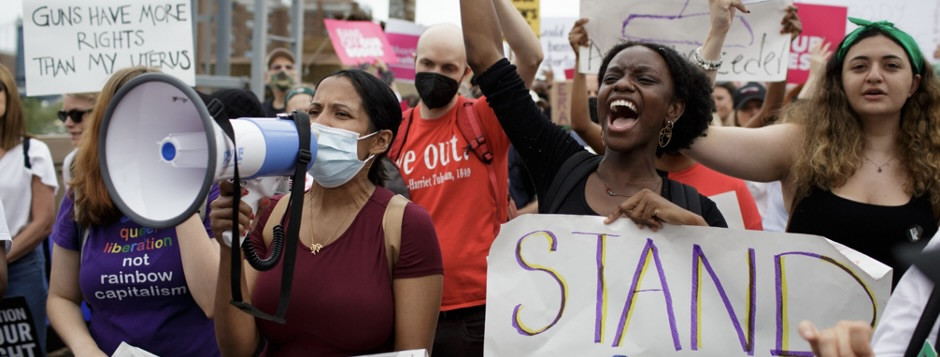
Who gets to decide how—and whether—people have children? Why do childbirth, abortion, contraception, fertility treatments, and family-making provoke such intense political debate around the world? Drawing on anthropological research & activist scholarship, this course explores the public controversies, global debates, and everyday realities surrounding reproduction as a powerful site of control, resistance, and social change. We will consider:
· How have family planning initiatives, population control, and the recent turn toward pronatalism shaped state control over reproduction?
· Why has childbirth become increasingly medicalized—and why are midwifery, homebirth, and birth doulas experiencing renewed interest?
· How do obstetric racism and stratified reproduction contribute to persistent maternal and infant health disparities?
· What are the effects of increased access to reproductive technologies—such as contraception, IVF & genetic testing—on expectations about bodies, responsibility, & “choice” across cultures?
· How has the so-called “gayby boom,” alongside increasing (though uneven) recognition of LGBTQ+ families, reshaped debates about surrogacy, reproductive technologies, and what counts as a family?
We will explore how reproductive politics and experiences are shaped by persistent inequities stratified by race, class, sexuality, disability, and citizenship to consider: Who defines the “right” way to conceive, give birth, and raise a child—and who bears the consequences?
- Teacher: Christa Craven